Author: Jeb Burchick

Cost of 2025 Thanksgiving Dinner Down Slightly

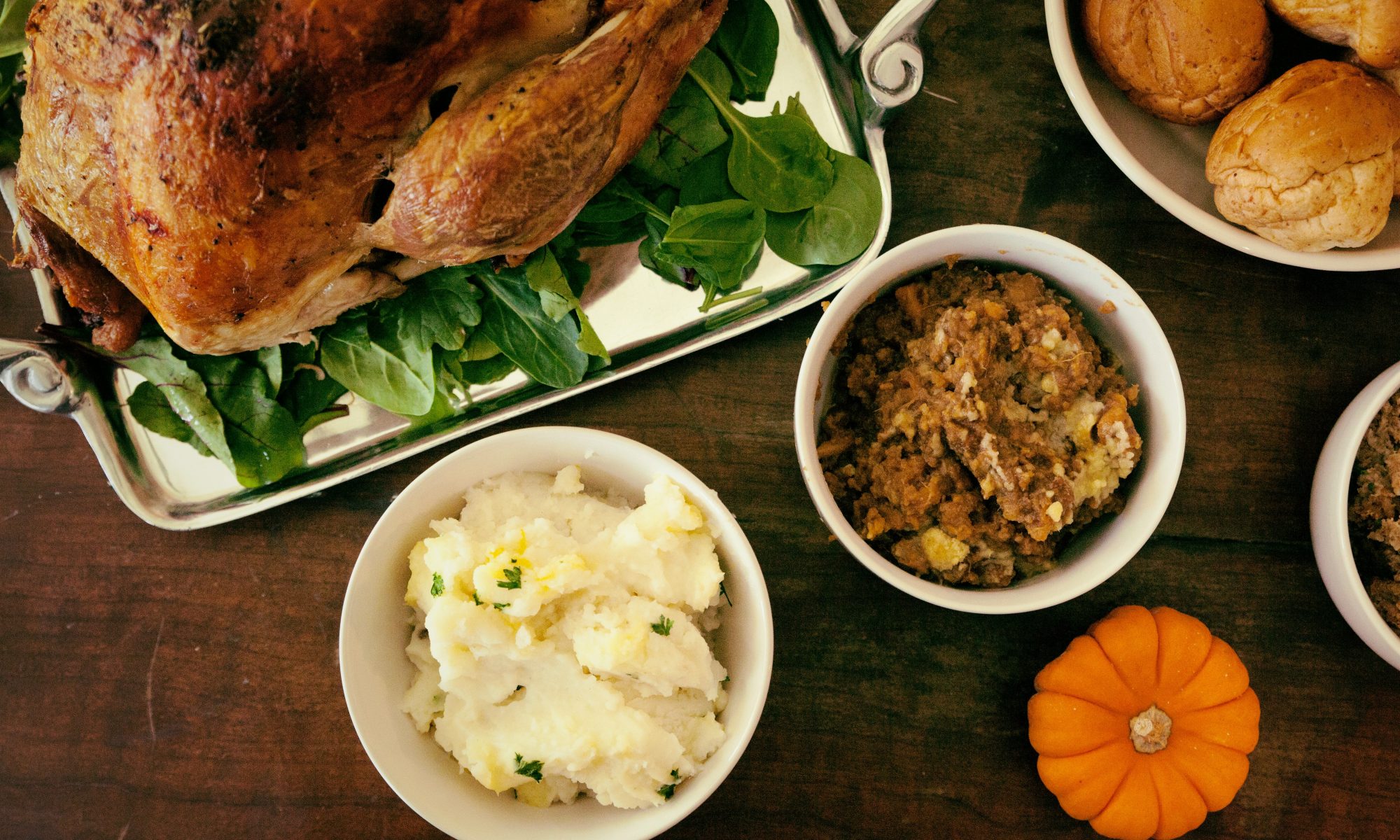
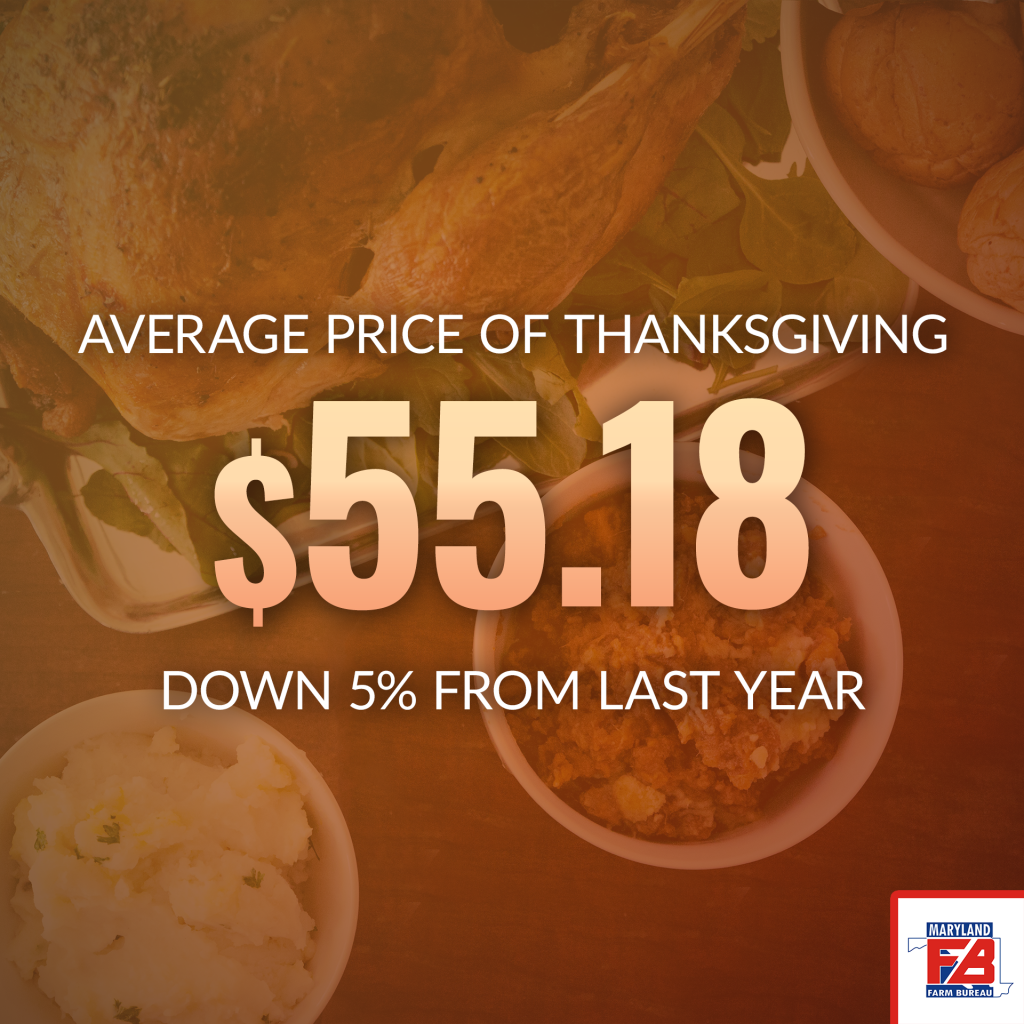
WASHINGTON, D.C. – Cooking a Thanksgiving dinner for your friends and family will cost less than last year, marking the third straight year of price declines. The Farm Bureau’s 40th annual Thanksgiving dinner survey provides a snapshot of the average cost of Thanksgiving staples that make up a classic holiday feast for 10, which is $55.18 or about $5.52 per person.

This is a 5% decrease from 2024. Three years of declines don’t fully erase dramatic increases that led to a record-high cost of $64.05 in 2022.

The centerpiece on most Thanksgiving tables – the turkey – dramatically decreased in price, which helped bring down the overall cost of dinner. The average price for a 16-pound frozen turkey is $21.50. That is $1.34 per pound, down more than 16% from last year. While the wholesale price for fresh turkey is up from 2024, grocery stores are featuring Thanksgiving deals and attempting to draw consumer demand back to turkey, leading to lower retail prices for a holiday bird.
“Maryland farmers work day in and day out to produce many of our favorite Thanksgiving foods, even in spite of high input costs,” says Jamie Raley, President of Maryland Farm Bureau. “As the state’s largest commercial industry, we encourage Marylanders to support their local farmers throughout this holiday season.”

Maryland is home to 224 farms that produce over 100,000 turkeys each year. Additionally, over 20,000 acres of vegetables are harvested for sale each year in the state, according to the USDA.

Farm Bureau volunteer shoppers checked prices the first week of November. Grocery stores often feature whole turkeys at even lower prices in the days leading up to Thanksgiving.  According to the most recent USDA Agricultural Marketing Service data, the average per-pound feature price for whole frozen turkeys declined further during the second week of November.

“It’s encouraging to see some relief in the price of turkeys, as it is typically the most expensive part of the meal,” said American Farm Bureau Economist Faith Parum, Ph.D. “Farmers are still working to rebuild turkey flocks that were devastated by avian influenza, but overall demand has also fallen. The combination will help ensure turkey will remain an affordable option for families celebrating Thanksgiving.”

The shopping list for Farm Bureau’s informal survey includes turkey, stuffing, sweet potatoes, rolls, peas, cranberries, a veggie tray, and pumpkin pie with whipped cream, all in quantities sufficient for 10 servings.

Half of the ingredients in the survey declined in price, including dinner rolls and stuffing. Low wheat prices helped bring down the cost of items requiring flour.

Items like fresh vegetables and sweet potatoes increased – a veggie tray is up more than 61% and sweet potatoes are up 37%. Natural disasters partly contributed to the increase. For example, North Carolina, which is the largest grower of the nation’s sweet potatoes, suffered hurricane damage. Additionally, fresh produce prices tend to be highly volatile, and even modest supply-chain disruptions, from weather, labor shortages, transportation delays or regional production setbacks, can trigger sharp, short-term spikes in prices. The continued shortage of farmworkers and rapidly increasing farm wages also played a role in rising produce costs. It’s important to note that fresh vegetables and potatoes are traditionally low-cost items, so an increase of just a few cents can dramatically affect the cost change percentage year-to-year.

“We are blessed to live in a country that is capable of producing such an abundant food supply, and for that we should be thankful,” said AFBF President Zippy Duvall. “Despite modest declines in the cost of a Thanksgiving meal, I know food prices are a real concern for many families, including in rural America. We lost 15,000 farms last year because of factors including historically low crop prices, high supply costs and trade uncertainty, which continue to squeeze farmers and ranchers. Every farm lost is another step toward consolidation and reliance on other countries for our food.

“We urge Congress to address the challenging economic conditions facing farmers to ensure farm families can continue growing the food we all rely on, not just on Thanksgiving, but every day of the year.”

In recognition of changes in Thanksgiving dinner traditions, the Farm Bureau price survey also includes boneless ham, Russet potatoes and frozen green beans, in an expanded menu. Adding these foods to the classic Thanksgiving menu increases the overall cost by $21.91, to $77.09.

This year’s national average cost was calculated using surveys completed with pricing data from all 50 states and Puerto Rico. Farm Bureau volunteer shoppers checked prices in person and online using grocery store apps and websites. They looked for the best possible prices without taking advantage of special promotional coupons or combined purchase deals.

The AFBF Thanksgiving dinner survey was first conducted in 1986. The informal survey provides a record of comparative holiday meal costs over the years. Farm Bureau’s classic survey menu has remained unchanged since 1986 to allow for consistent price comparisons.

Individual Prices

  • 16-pound turkey: $21.50 or $1.34 per pound (down 16.3%)
  • 14-ounces of cubed stuffing mix: $3.71 (down 9%)
  • 2 frozen pie crusts: $3.37 (down .8%)
  • Half pint of whipping cream: $1.87 (up 3.2%)
  • 1 pound of frozen peas: $2.03 (up 17.2%)
  • 1 dozen dinner rolls: $3.56 (down 14.6%)
  • Misc. ingredients to prepare the meal: $3.61 (down 4.7%)
  • 30-ounce can of pumpkin pie mix: $4.16 (up .1%)
  • 1 gallon of whole milk: $3.73 (up 16.3%)
  • 3 pounds of sweet potatoes: $4.00 (up 37%)
  • 1-pound veggie tray (carrots & celery): $1.36 (up 61.3%)
  • 12-ounce bag of fresh cranberries: $2.28 (down 2.8%)

Regional Averages

AFBF analysis revealed regional differences in the cost of the meal. The cost for the classic meal was the most affordable in the South at $50.01, followed by the Midwest at $54.38, the Northeast at $60.82, and the West at $61.75. The expanded meal (classic meal plus boneless ham, Russet potatoes and green beans) was the most affordable in the South at $71.20, the Midwest at $76.33, the Northeast at $82.97, and most expensive in the West at $84.97.

Read a full analysis of the 2025 Thanksgiving dinner cost survey in a Market Intel report here.

To download selected soundbites on the survey, click here.

AFBF also conducts an annual summer cookout survey in advance of the 4th of July holiday. Be sure to watch for that in late June 2026.
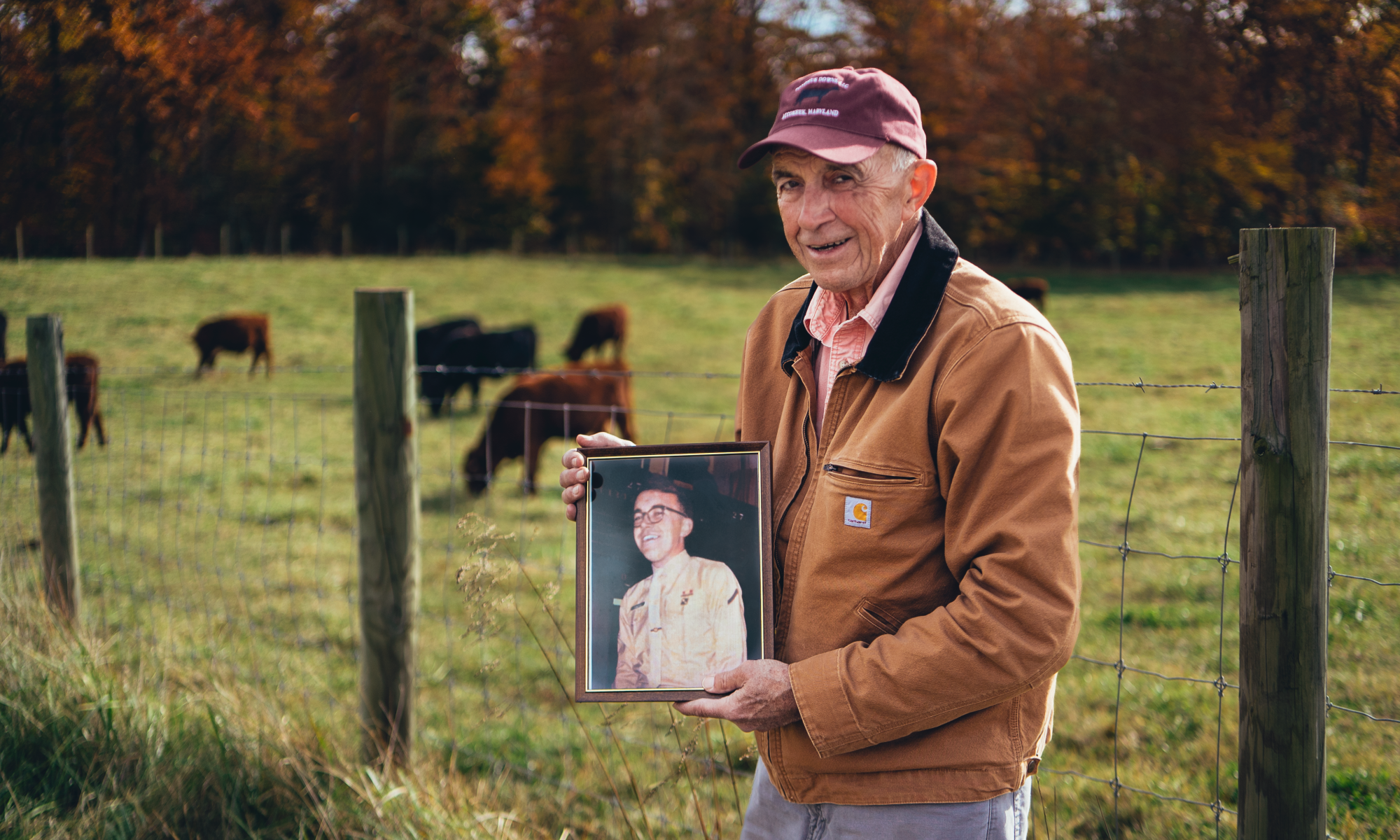
Donohue Downs in Acokeek | #MemberSpotlight

🪖 From the USMC to the Farm! 🇺🇸

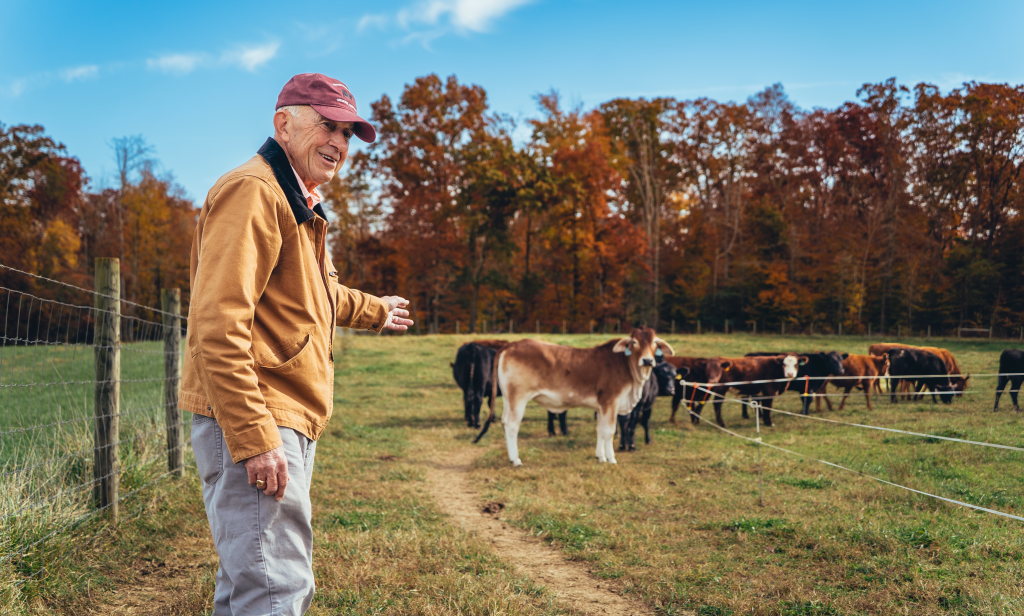
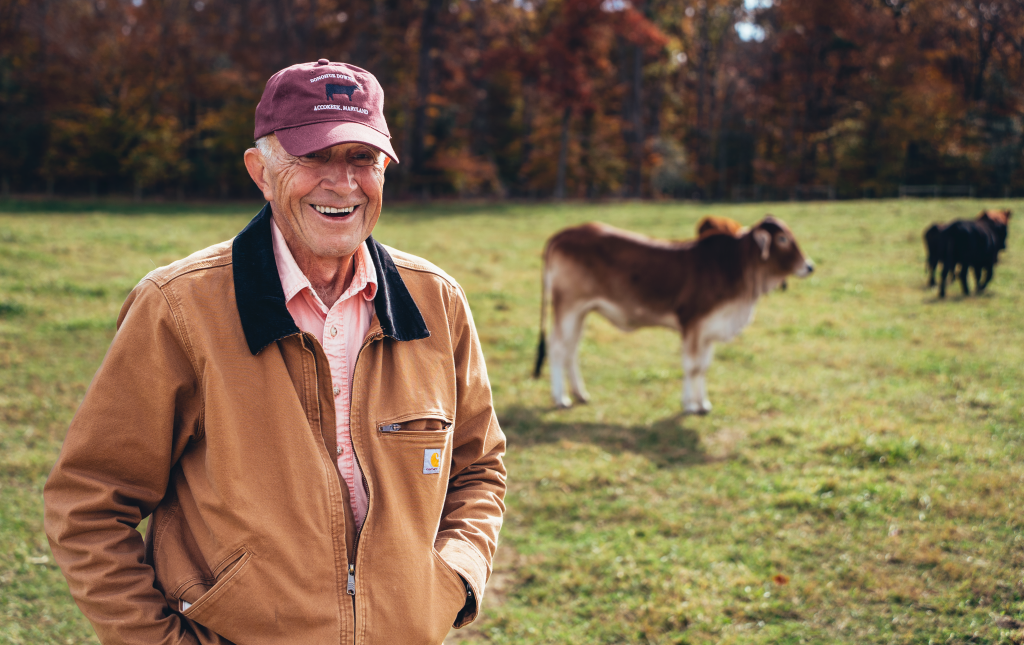
Dan Donohue leans on a fence, overlooking green pasture in Accokeek. As he watches his small beef herd walking into new grazing area, he enjoys calling out their tag numbers: “Good morning, number 12. How do you do, number 7?” The mild-mannered farmer has spent his entire life right here at this southern Prince George’s County farm — that is, with the exception of deployments to places like Okinawa, the Horn of Africa, and Afghanistan.

Dan enlisted in the U.S. Marine Corps in 1972, serving overseas as a field artillery officer. When he got back home to America, he stayed in the Reserves, and was called up again during Operations Desert Shield and Desert Storm. At the turn of the century, Dan was due to retire — but then the terror attacks of 9/11 happened. Dan continued serving for six more years during the Global War on Terrorism, deploying to Djibouti and spending his last year of service in Afghanistan.

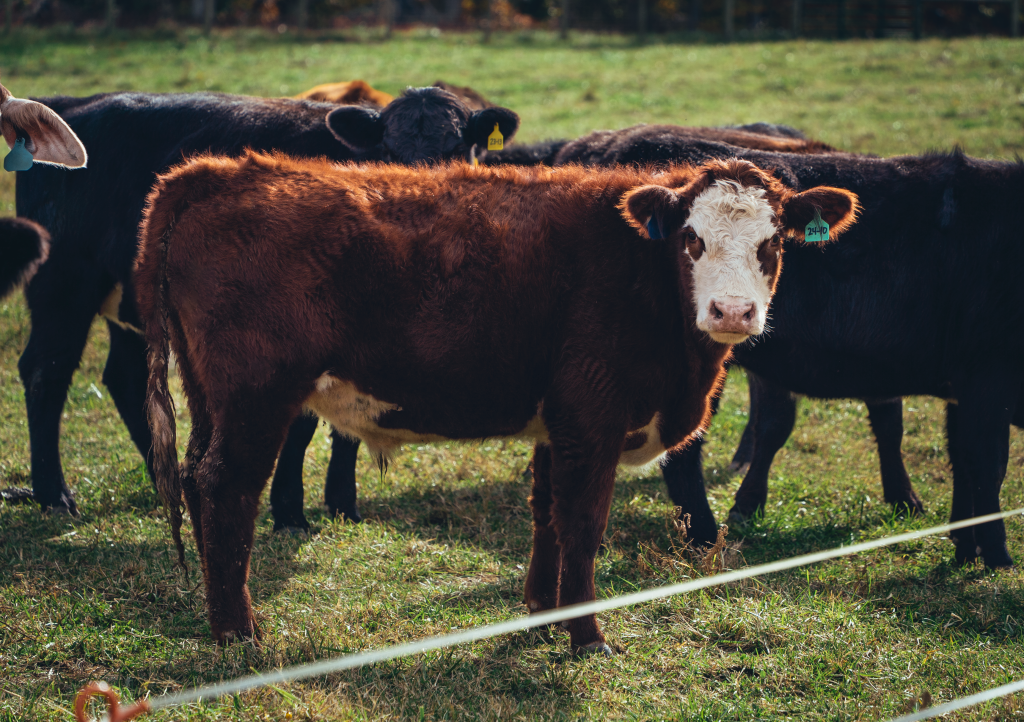
It’s now been some fifty years since Dan first enlisted, and he’s fully enjoying life back on the farm. In the same way that he served his country, Dan is now serving his land. He’s a two-time finalist for the prestigious Sand County Foundation Leopold Conservation Award, recognizing his commitment to voluntary sustainable ag practices. Using an electric fence that he moves every few days, Dan rotationally grazes a herd of grass-fed beef cattle. Clover is planted each spring to promote soil health and provide a nutrient source for insect pollinators.

Like many veterans who find themselves in elected office, Dan has done the same — but his leadership is rooted in agriculture: he is the President of the Prince George’s County Farm Bureau, Inc. According to the US Census of Agriculture, Dan is just one of over 2,000 farm workers with military service in Maryland.

You may not see many parallels between military service and farming, but both involve a lot of hard work in tough environments. As Dan says, “I’m not that interested in things that are shiny, just what we’ve got to do to get this job done.” #MemberSpotlight

Maryland Farm Bureau Demands Dismissal of MPRP Project: Legal Filing Highlights Project’s Failed Timeline

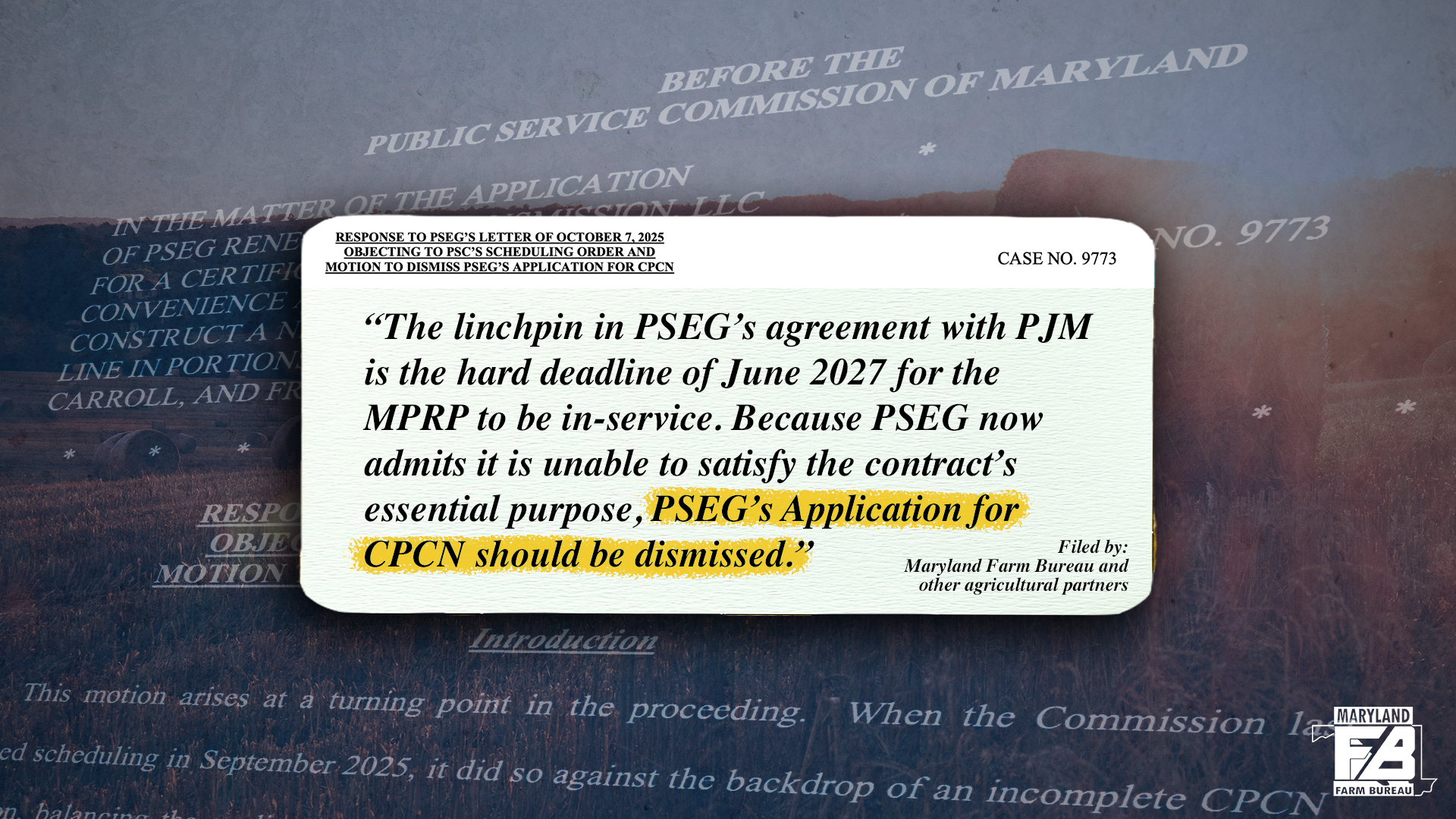
DAVIDSONVILLE, MD – The Maryland Farm Bureau (MDFB), in partnership with the Baltimore, Carroll, and Frederick County Farm Bureaus, announced today that it has filed a crucial motion with the Public Service Commission of Maryland (PSC) demanding the outright dismissal of the proposed Maryland Piedmont Reliability Project (MPRP) transmission line application by PSEG.

The filing argues that the PSEG’s own admission that it cannot meet the project’s critical June 2027 deadline is sufficient reason to immediately halt the case, saving Maryland taxpayers and hundreds of farmers from months of needless legal and financial burdens. (Read the Full Filing)

Maryland Farmland Must Not Be the Casualty of a Failed Timeline

The proposed 67-mile transmission is slated to go through thousands of acres of productive Maryland farmland, including land preserved for agriculture in perpetuity.

“Back in 2024, we warned that the MPRP project’s unrealistic timeline threatens to take productive farmland out of use,” said Parker Welch, Executive Director of the Maryland Farm Bureau. “We urge PSC to dismiss this case and collaborate with farmers, landowners, elected officials, and stakeholders to advance energy projects that do not jeopardize Maryland’s finite farmland.”

The motion points out that PSEG has now conceded that the PSC’s necessary review process, a process designed to protect the public interest, will prevent the line from being built by the required contractual date.

Key Points Raised for Farmers and Farmland:

  • Calling the Question: The Farm Bureau’s motion forces the PSC to address the non-viability of the project head-on, arguing that there is no public need to continue a proceeding for a project that has effectively failed its own timeline.
  • Stopping Eminent Domain: By seeking dismissal now, the Farm Bureau aims to prevent PSEG from wasting more time and resources battling farmers in court over access for environmental surveys, a process that has already caused immense disruption.
  • Protecting Finite Resources: Continuing the case would unnecessarily burden the PSC, state agencies, and hundreds of Maryland property owners who are dedicating time and money to fight a proposed line that PSEG itself admits cannot be delivered on time.

In September of 2024, Maryland Farm Bureau officially announced its opposition to the MPRP Project. In May, the Maryland Public Service Commission (PSC) granted Maryland Farm Bureau’s petition to intervene in the proposed project, affirming the organization’s right to represent farmers’ interests in the proceedings.

The Maryland Farm Bureau encourages its members and all concerned citizens to continue engaging in the public comment process with the Public Service Commission to ensure the voice of agriculture remains strong. The motion to dismiss was filed along with Stop MPRP and Carroll County Government.

###

Support our fight by becoming a Maryland Farm Bureau member at members.mdfarmbureau.com

EZnutSZ Orchard in Davidsonville | #MemberSpotlight

🌰 Go nuts (in Maryland!) 🌰
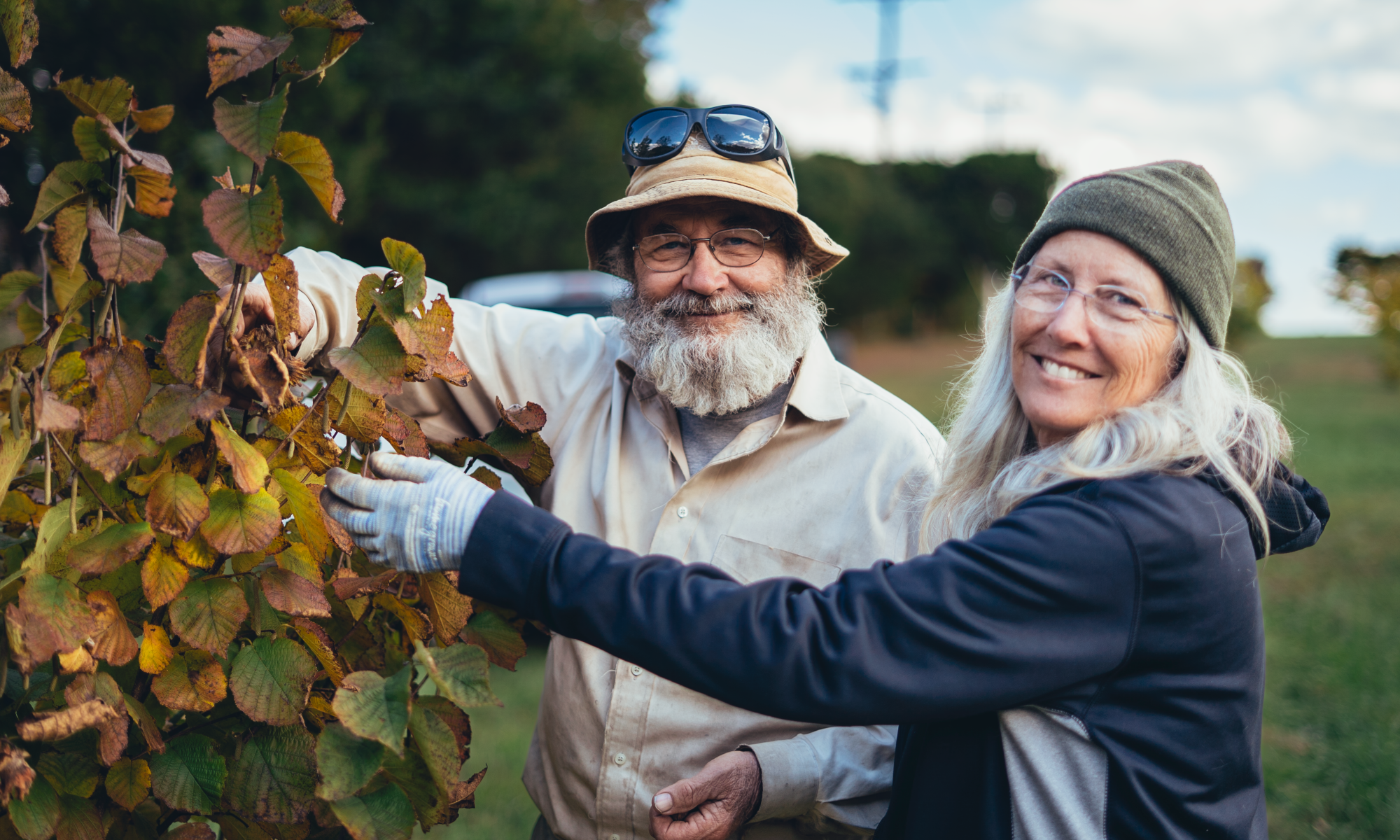
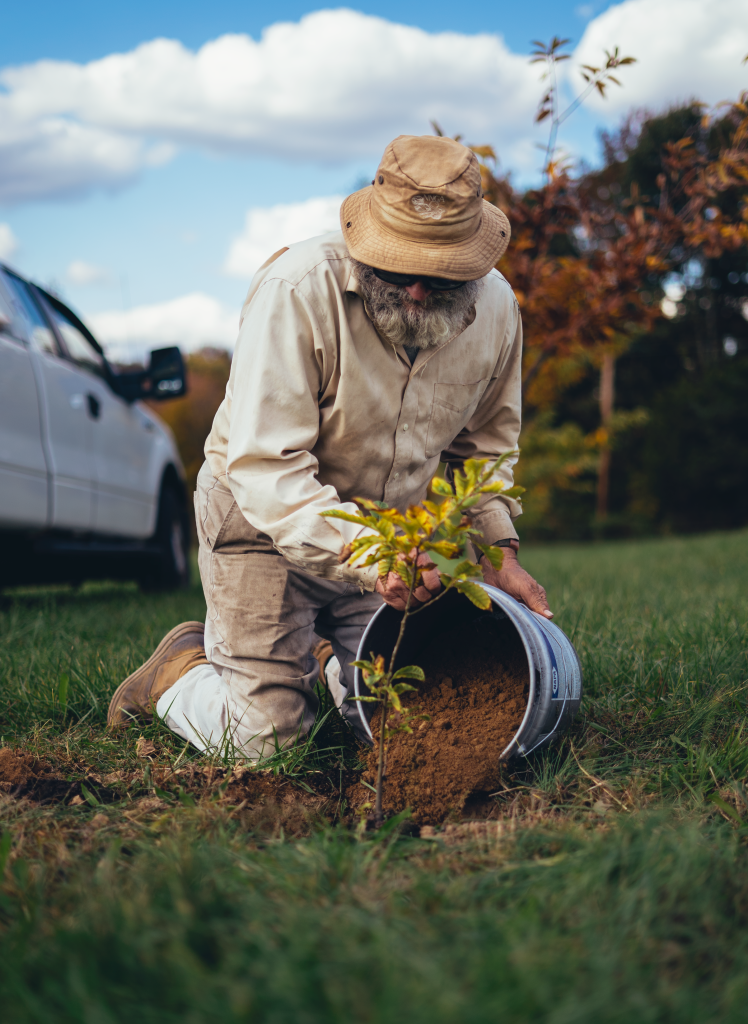
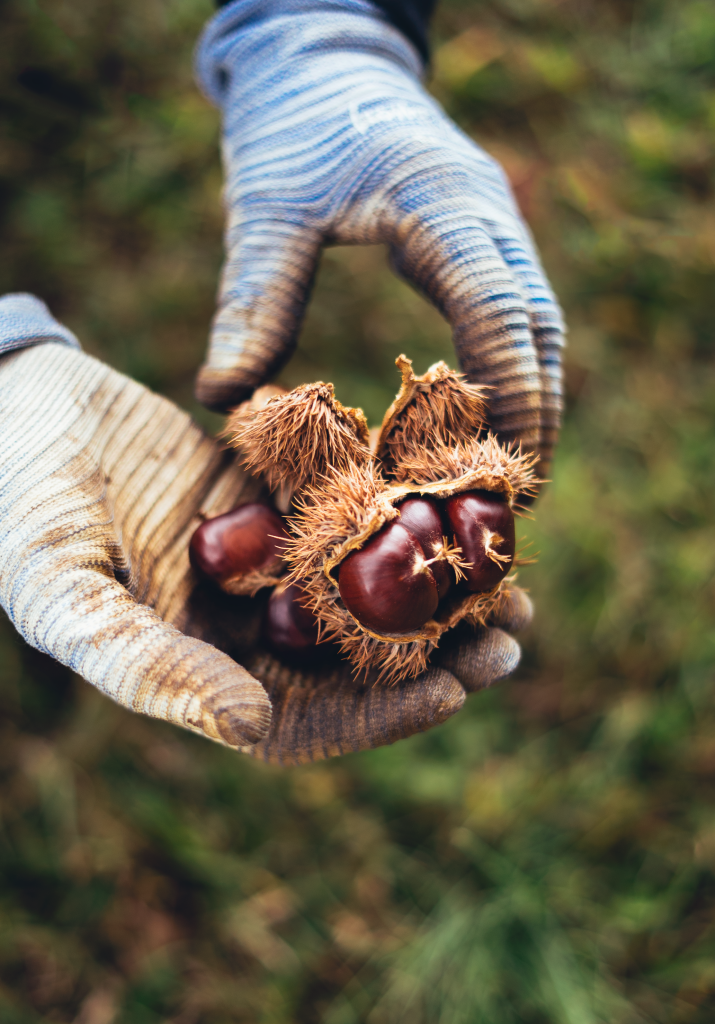
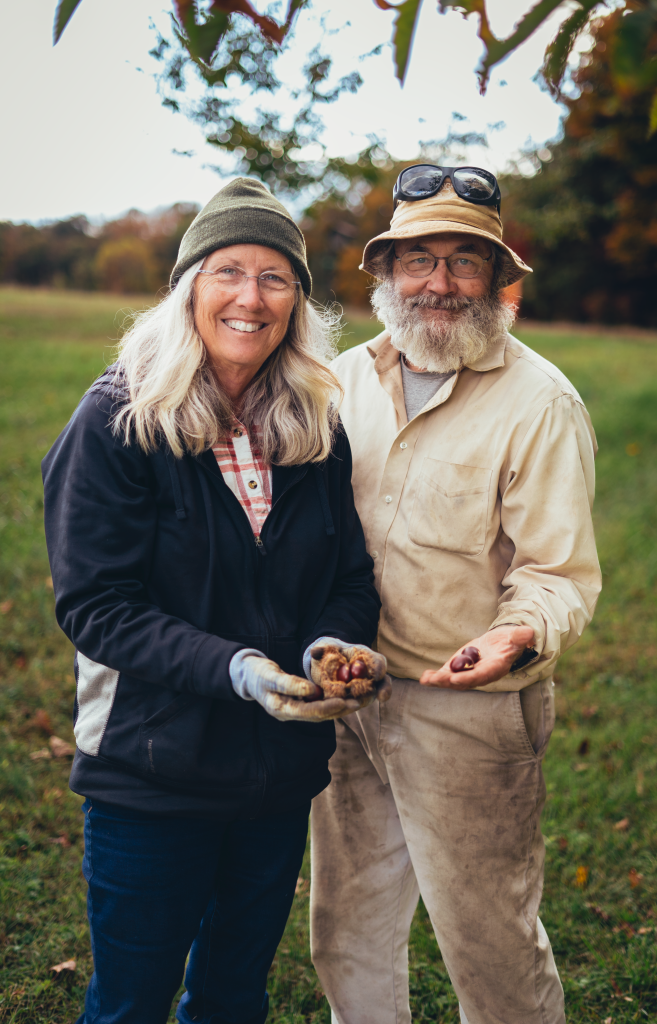
It’s mid-October, and Sharon and Eugene “Mickey” Zehner are planting saplings before the ground gets too hard. This family-inherited farm is an orchard. However, instead of growing apples or peaches, it’s chestnuts and hazelnuts!

This new venture, EZNUTSZ Orchard, hasn’t been easy. Nut farming is somewhat rare in Maryland, meaning the Zehners have faced challenges like pests and inconsistent growth with little help. Undeterred, they’ve relied on a mix of online resources, formal classes, and a lot of good old-fashioned trial and error.

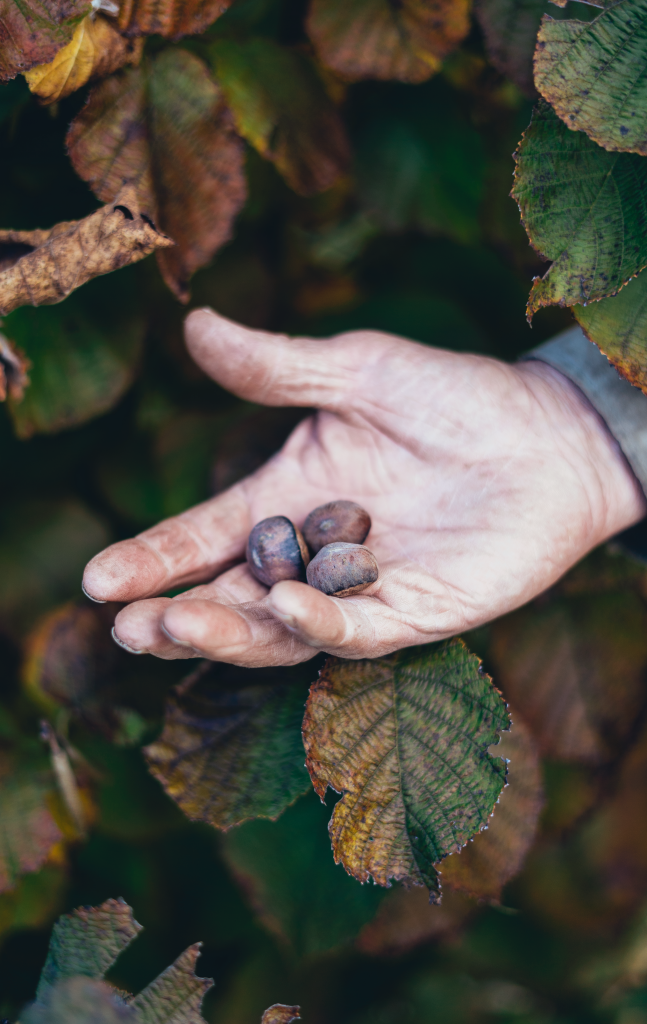
The real joy for this operation comes at the local farmers’ markets, where they sell nuts direct to consumers. While the classic image is of chestnuts roasting on an open fire, Mickey and Sharon prefer to eat them raw. Customers are sometimes surprised by the taste of the raw chestnut, describing it as sweet and crunchy.

On this 28-acre farm, the difficulties could easily make the Zehners quit. But for Mickey, quitting isn’t an option. It’s about a deep commitment to the land his family has held for generations, and these nut trees are a key part of it.

“This is my grandfathers farm, and I just figured we’d try to keep it a farm as long as I can,” says Mickey. #MemberSpotlight

Maryland Farm Bureau meets with Members of Congress on Federal Ag Priorities

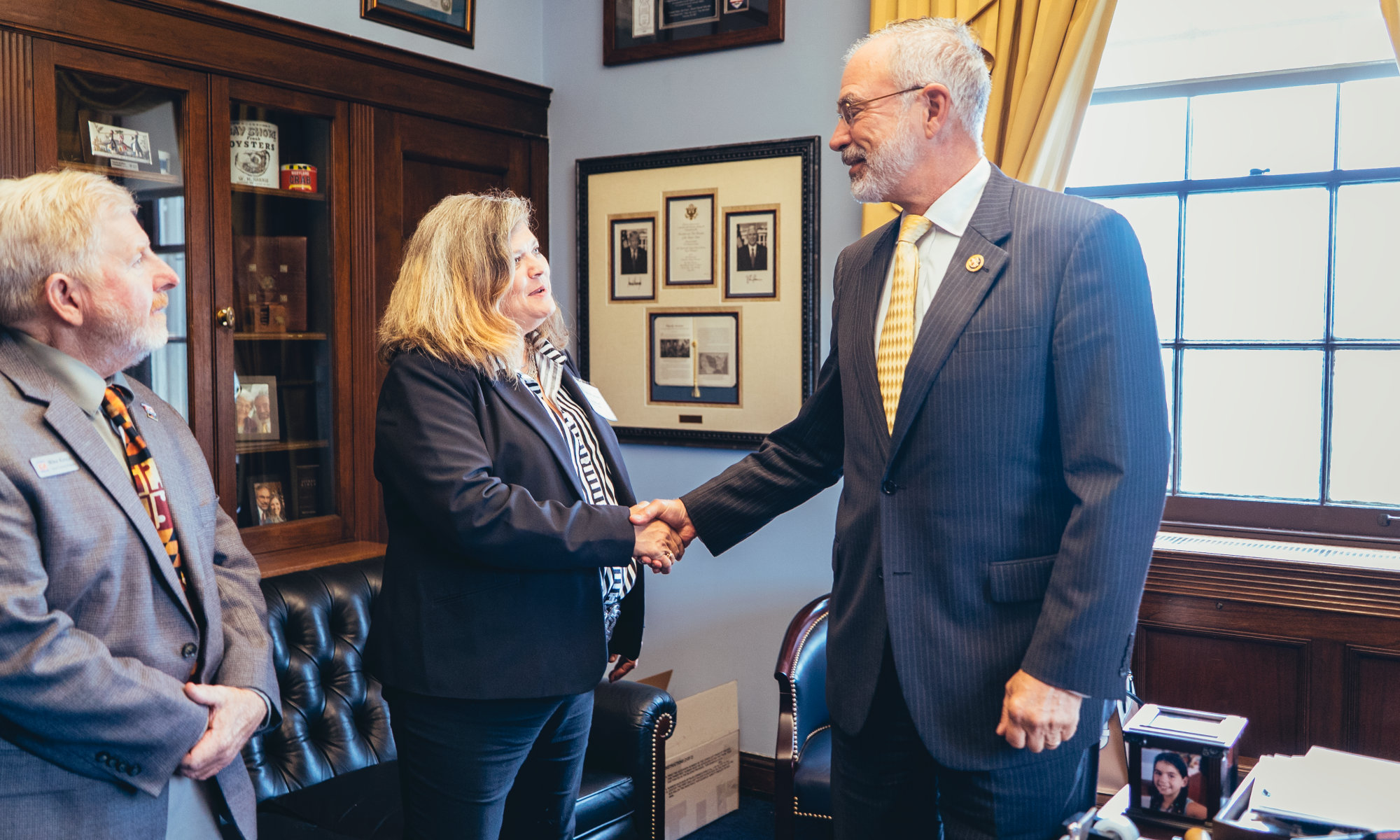
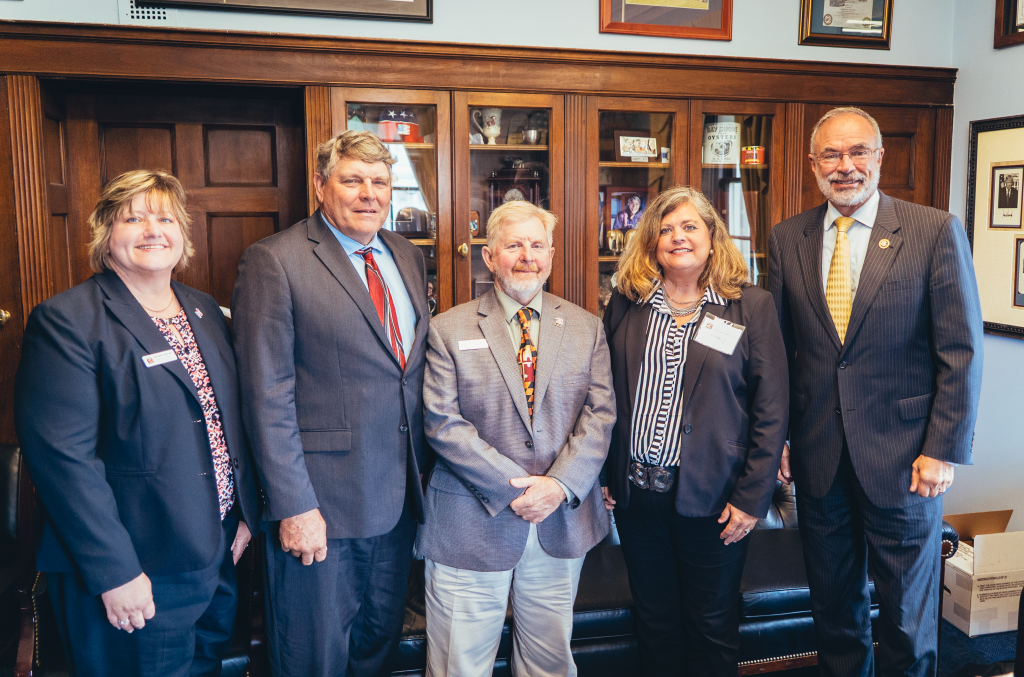
WASHINGTON, DC: Representatives from Maryland Farm Bureau (MDFB) met with their congressional leaders and staff this week to advocate for several key federal policies aimed at supporting Maryland farmers. The discussions centered on the importance of increasing farm profitability to help empower farmers and keep their land in agriculture.

“Our government can work for the good of agriculture when elected officials speak directly with their farming constituents,” said MDFB President Jamie Raley. “We greatly appreciate our Members of Congress and their staff for listening to the concerns of our members, and we remain optimistic that they will keep our farmers’ needs in mind while voting on important legislation.”

The MDFB team met with Congressman Andy Harris (MD-1) and Congresswoman April McClain Delaney (MD-6). They also spoke with staff members from the offices of Congressman Johnny Olszewski (MD-2), Congresswoman Sarah Elfreth (MD-3), and Congressman Steny Hoyer (MD-5).

During their visit, MDFB members highlighted a range of priorities for the farming community, including:

  • Labor and immigration reform.
  • Including farmers in MAHA discussions.
  • Prioritizing Maryland in USDA’s reorganization plans.
  • Cutting red tape to maximize farm profitability.

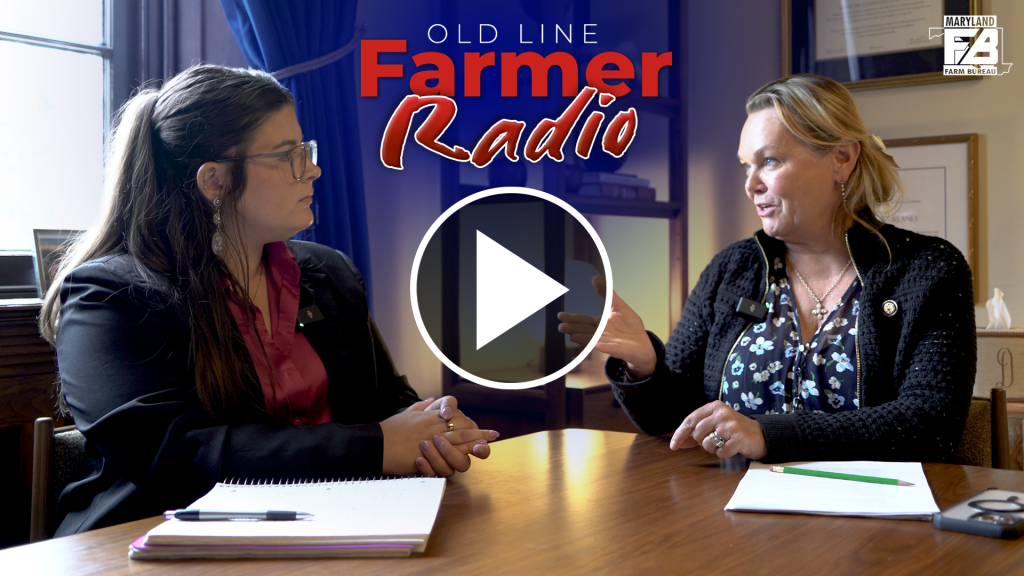
To further these conversations, MDFB recorded an episode of their podcast, “Old Line Farmer Radio,” with Congresswoman McClain Delaney, who is a member of the House Agriculture Committee.

(Watch)

“I had the privilege of meeting with the Maryland Farm Bureau to hear directly from the farmers who feed our families, care for our land, and strengthen our communities. Their work is the backbone of our state — often unseen, always essential. I’m grateful for their dedication, inspired by their resilience, and proud to stand with them in Congress to ensure Maryland agriculture thrives for generations to come,” said Rep. McClain Delaney on social media.

MDFB will continue to monitor relevant legislation in both Congress and the Maryland legislature to track its impact on Maryland agriculture. Additional photos from the visit are available on MDFB’s Facebook page.

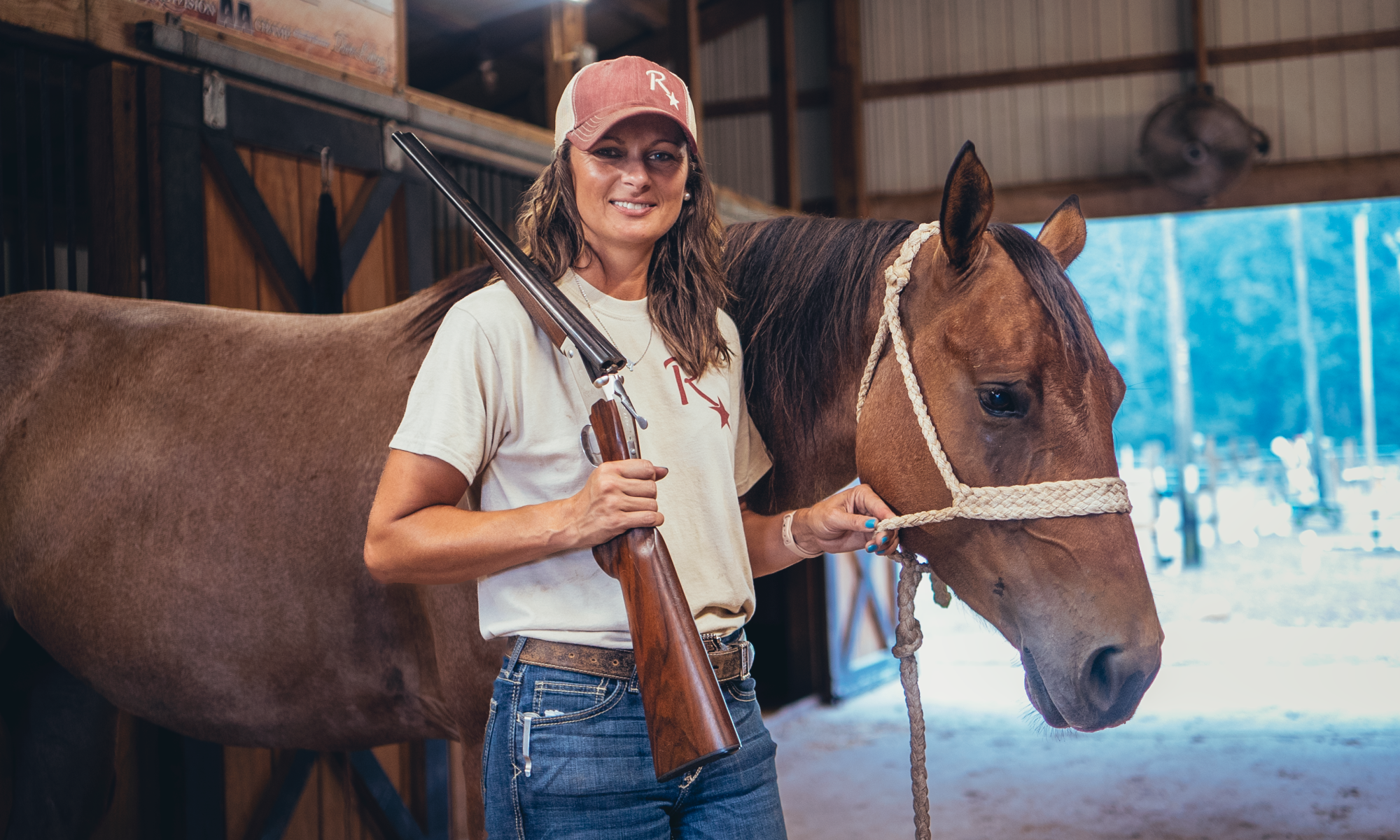
Rusted Star Ranch in Berlin | #MemberSpotlight

You don’t need to go west to be a cowboy or cowgirl

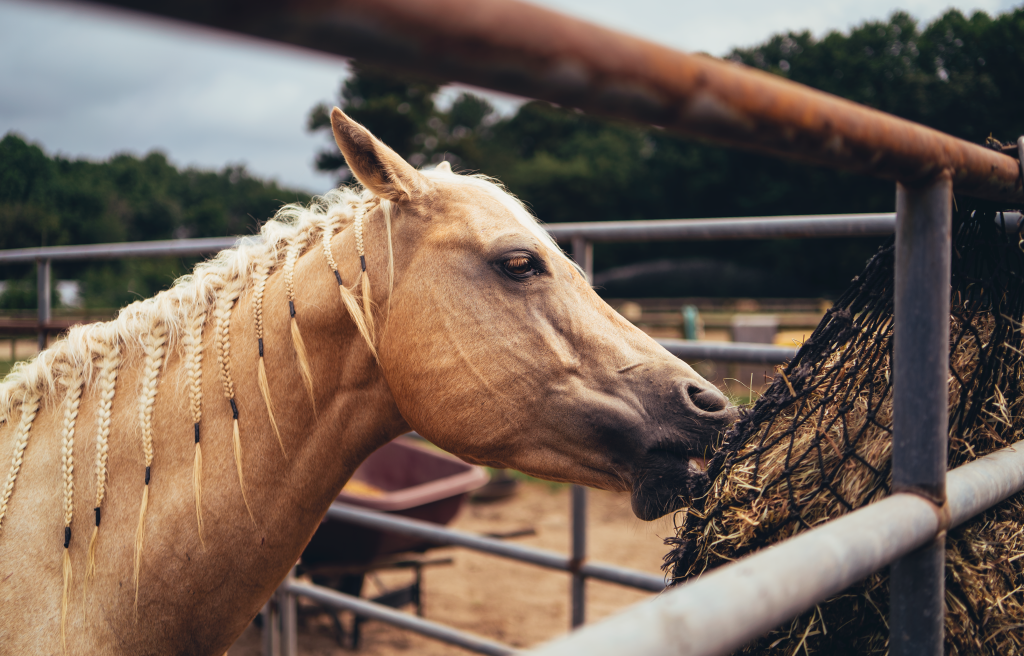
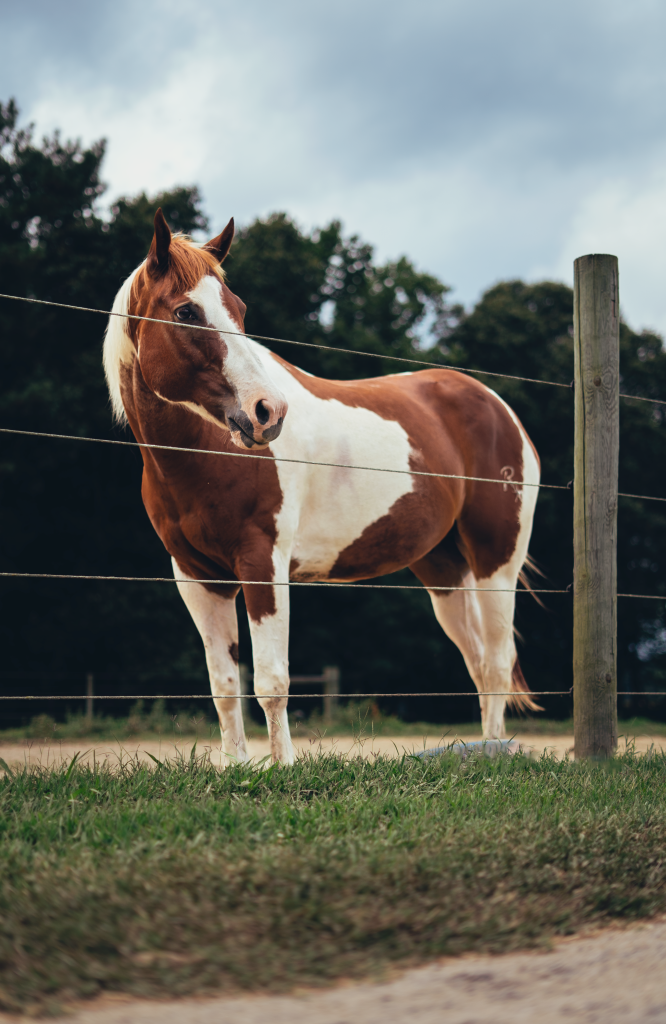
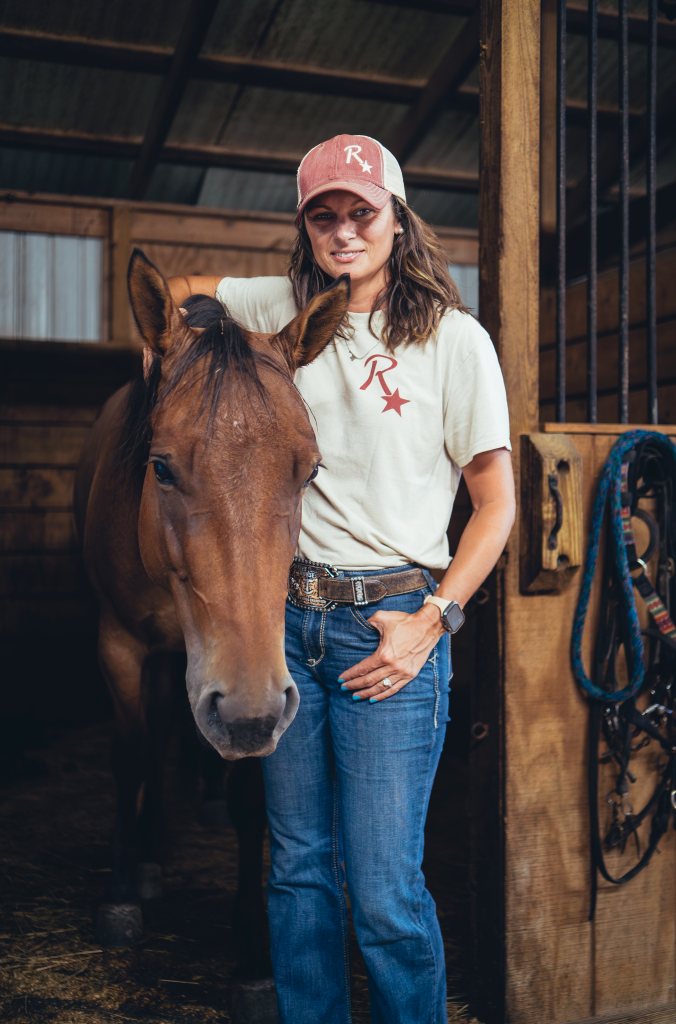
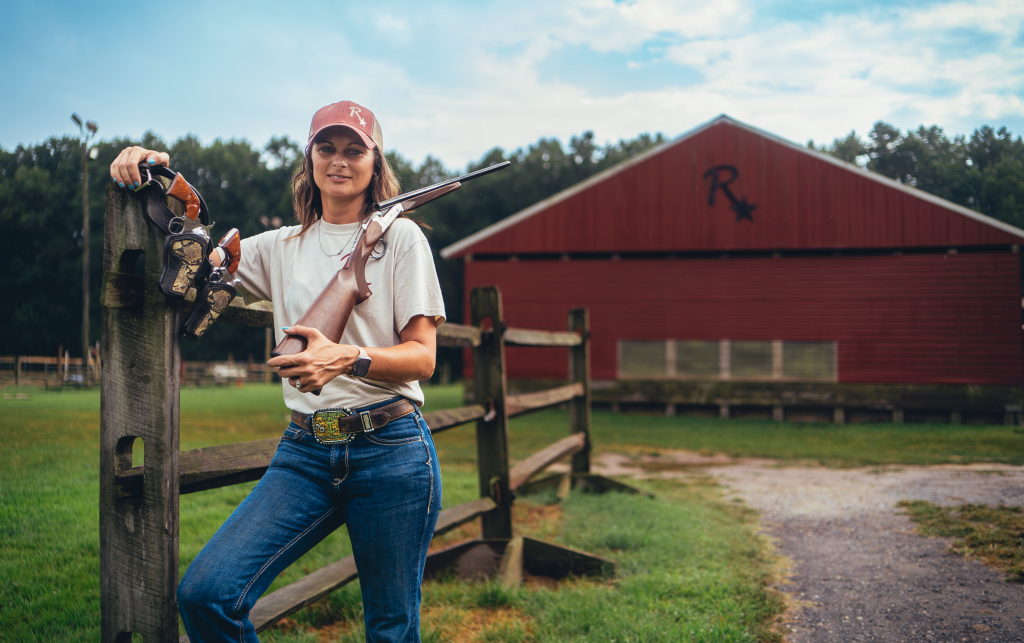
While Maryland is known for its prominent equine industry, much of which is centered on the western shore, a unique piece of this diverse community thrives in Worcester County. At Rusted Star Ranch, Jessie “JFlo” Flores offers a slice of the West right here in the Old Line State.

As a nationally ranked mounted shooting rider—a sport that combines the speed of barrel racing with the precision of shooting—Jessie traveled the country for competitions. Her Maryland Farm Bureau membership was a huge help, saving her up to 20% on hotels and making those trips much more affordable.

Now back home in Berlin, Jessie is dedicated to sharing her passion with the local community. She offers riding lessons and introduces kids from all over Maryland to the excitement of rodeo. For her, the greatest reward is watching the progress her students make.

“A lot of people can’t own land or don’t have the space to own a larger animal such as a horse,” says Jessie. “To see them come out and brush them and just make their day better, if it’s after school or a long day of work, it’s really heartwarming.”

Meet the 2025 Maryland Farm Bureau Ag Ambassadors

Written by Kendall Abruzzesse, Originally published in the Summer 2025 edition of the Old Line Farmer Magazine

Maryland Farm Bureau is proud to support the next generation of agricultural leaders through our Agricultural Ambassador Program. Open to students between the ages of 17 and 21 who are passionate about agriculture, the program provides a platform for young leaders to grow, network, and represent Maryland’s farm families.

Each year, county Farm Bureaus select up to two ambassadors to compete in the statewide contest held during Maryland Farm Bureau’s Annual Convention and Meeting of Delegates. Two outstanding individuals are then selected from the county winners as the new state ambassadors for the coming year.

The state ambassadors represent Maryland Farm Bureau at events across the state, including Day in Annapolis, the Taste of Maryland Agriculture, and more. Ambassadors also have the opportunity to attend national leadership events held by American Farm Bureau, helping them build valuable skills and connections.

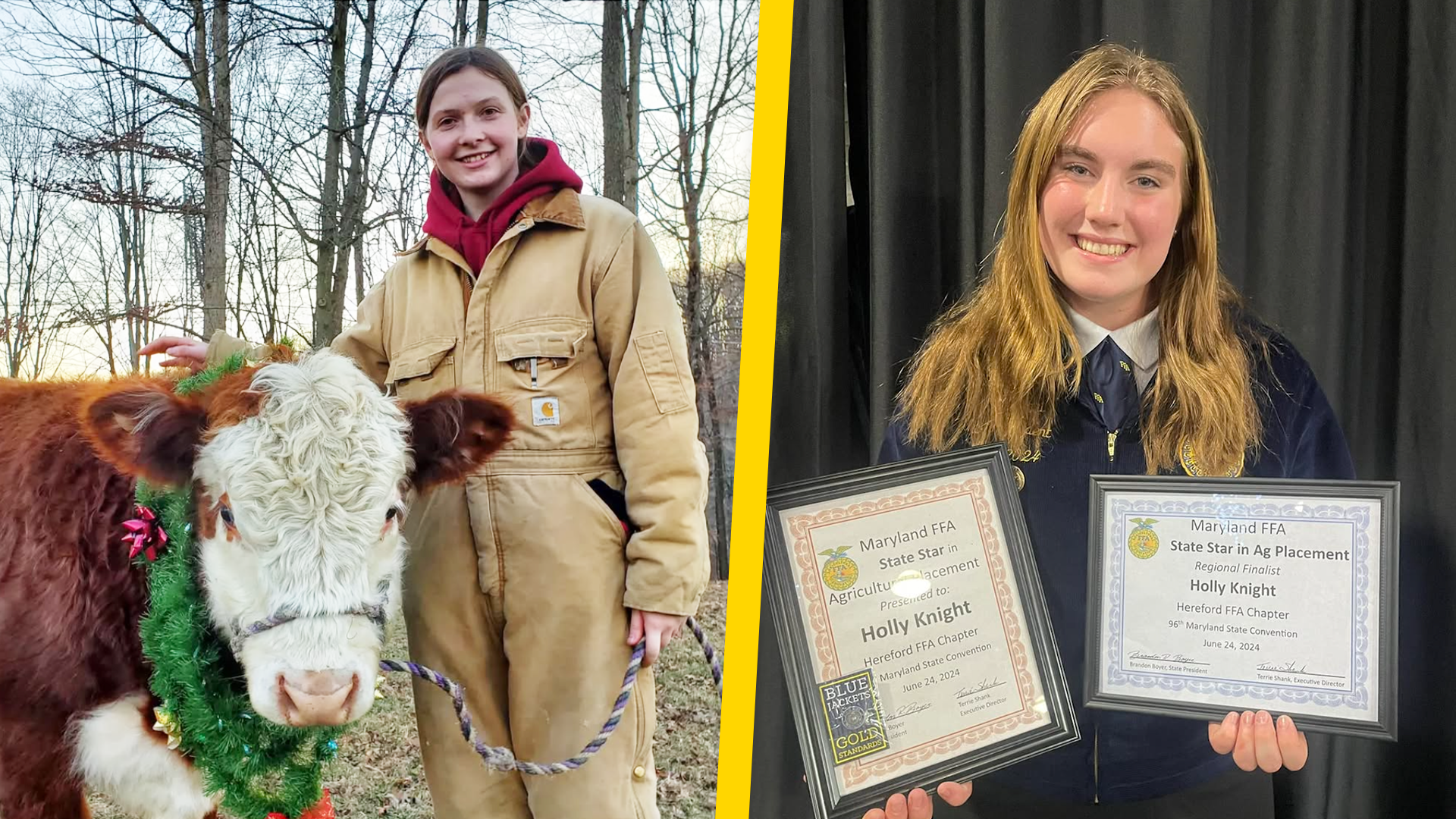
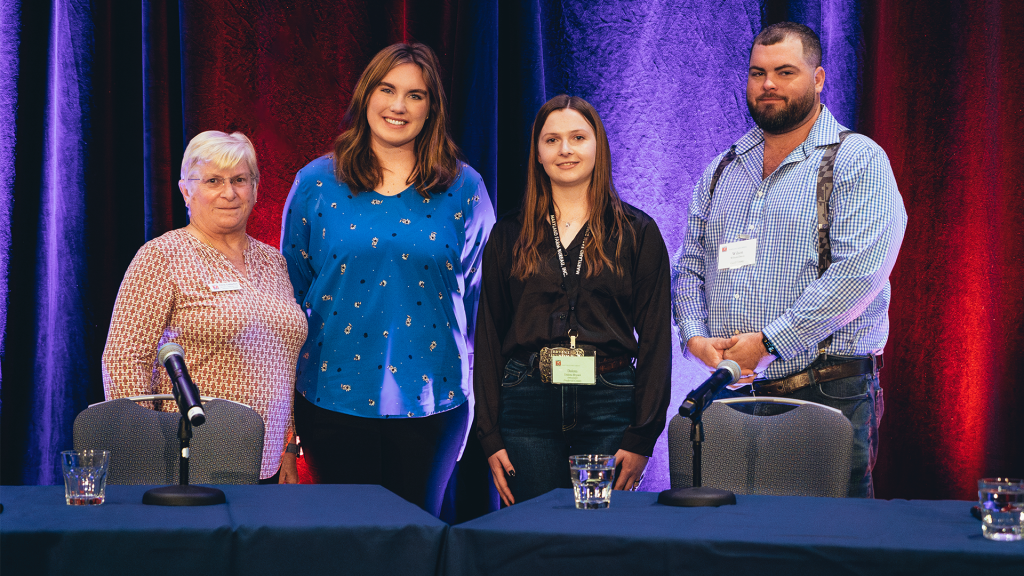
This year, we are proud to announce Dalena Bryant of Frederick County and Holly Knight of Baltimore County as our 2025 Maryland Farm Bureau Ag Ambassadors!

(L to R: MDFB 2nd Vice President Chris Catterton, Holly Knight, Dalena Bryant, and Maryland Young Farmers & Ranchers Board Member Wilson Davis)

Dalena Bryant – Frederick County

Dalena was inspired to apply for the ambassador program after watching her older sister, Jaclyn, serve in 2021. While family encouragement sparked her interest, Dalena says her biggest motivation came from wanting to learn more about the legislative process and explore parts of agriculture beyond her personal experience.

Dalena grew up on her family’s diversified livestock farm, where they raise club lambs and beef cattle. She also participated in her local 4-H program, which further fueled her love for agriculture. She is currently pursuing an associate degree in agricultural business through Northwest Iowa Community College’s online program.

Dalena has enjoyed being active at both the county and state levels of Farm Bureau, saying her favorite part has been “meeting other local farmers and agriculturalists and being able to help inform them about new policies that could potentially affect their farm and business. The organization and program have provided so many opportunities, resources, and connections surpassing any expectations I had going into this.”

Holly Knight – Baltimore County

Holly grew up on a small farm where her family raised chickens, goats, and horses, and she has always been passionate about livestock and agricultural advocacy. Her involvement in FFA during high school played a major role in shaping her leadership skills and deepening her understanding of the industry.

Today, Holly works at The Farmyard in Baltimore County and is studying agricultural business online through Lakeshore Technical College. Inspired by her friends at The Farmyard to join the ambassador program, Holly now hopes to continue working in agritourism and teach children about agriculture through hands-on experiences.

Wanting to give back to the community, her long-term vision includes, “raising a family and foster kids on a farm, creating an agricultural-based ministry.”

This is Holly’s first year actively participating in the Baltimore County Farm Bureau, and she’s embraced the experience. “I have truly enjoyed meeting new people within this industry and making new friends who are in the ambassador program,” she says. She believes the experience has helped her grow personally and professionally.

At Maryland Farm Bureau, we’re incredibly proud of Holly and Dalena. They embody the goals of our ambassador program and represent the best of what Maryland agriculture has to offer. Their passion, leadership, and commitment remind us that the future of farming is in capable hands.

The next Maryland Farm Bureau Ag Ambassador Contest will take place during our 2025 Convention in December. As this program continues to grow, so does the promise of agriculture’s next generation. Interested students can learn more about the program by contacting their county Farm Bureau ambassador representative or MDFB’s Kara Hutchison-Davis at khutchison@marylandfb.org.

Hudson Family Farm in Berlin | #MemberSpotlight

The family farm; where old school meets new school.

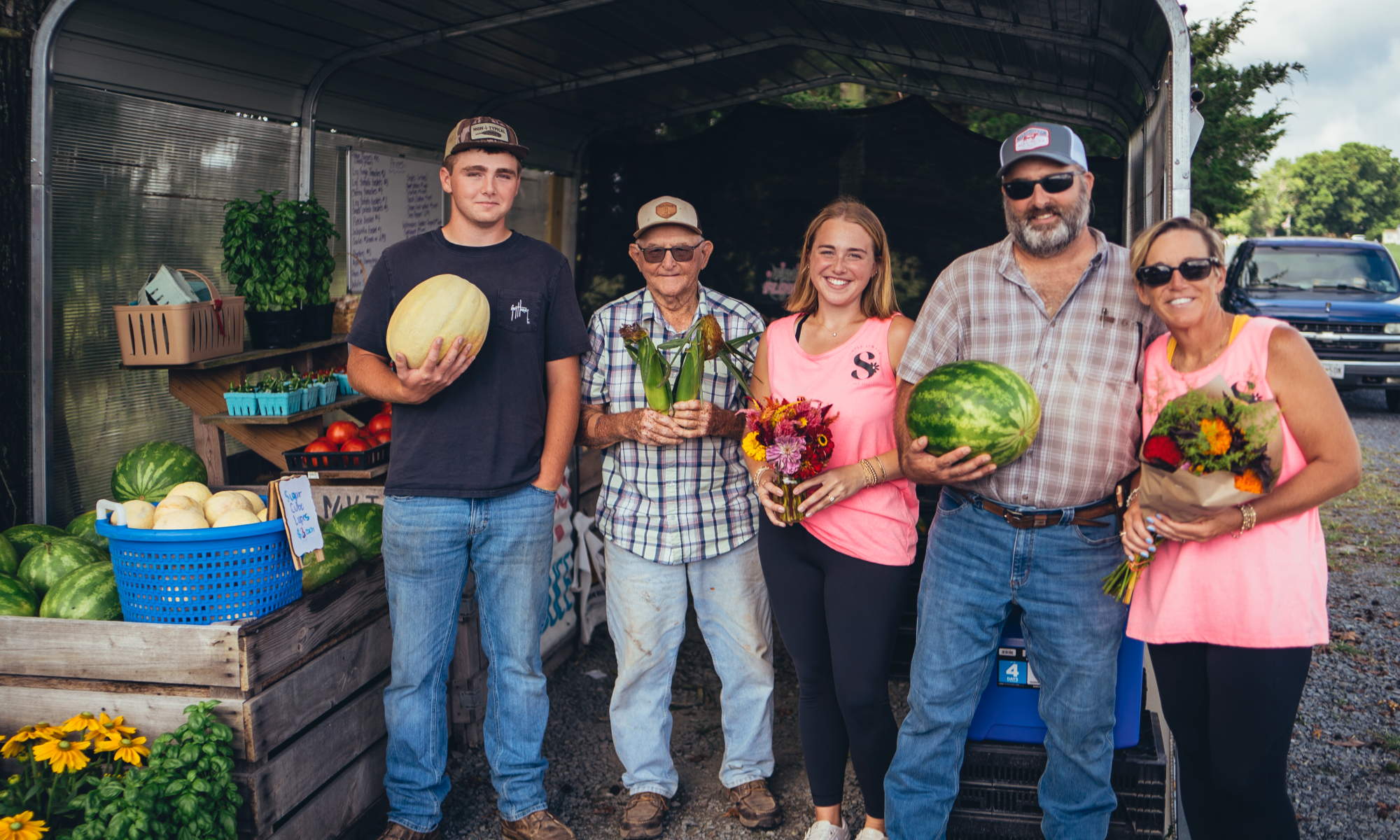
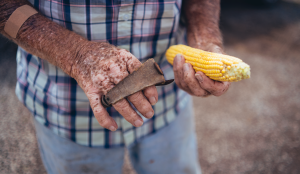
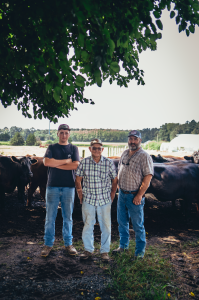
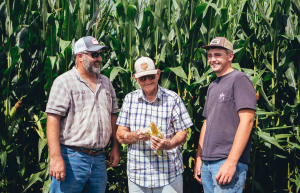
At the Hudson family farm in Berlin, Maryland, five generations of farmers work side by side. 89 year-old Roger Hudson likes to show off his corn husker, a hand tool used to strip corn. His son, Alan, prefers the speed and efficiency of a combine harvester.

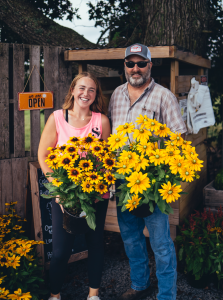
The fifth generation is now helping to shape the farm’s future. Sawyer Hudson and her mother have diversified by starting Simply Sawyer, growing and selling beautiful cut flowers. Her brother, Ethan, is dedicated to raising the family’s beef cattle. This mix of old and new, tradition and innovation, is at the heart of what makes Maryland family farms so special.

Ultimately, while the tools and products may change, the love for the land and the joy of working together never does. From the first generation to the fifth, Maryland farmers are making their communities a better place by staying rooted in their family business – in fact, over 96% of farms in Maryland are family owned.

As Alan Hudson says, “It’s nice to have the family together. It feels like people don’t get to do that much anymore.” #MemberSpotlight

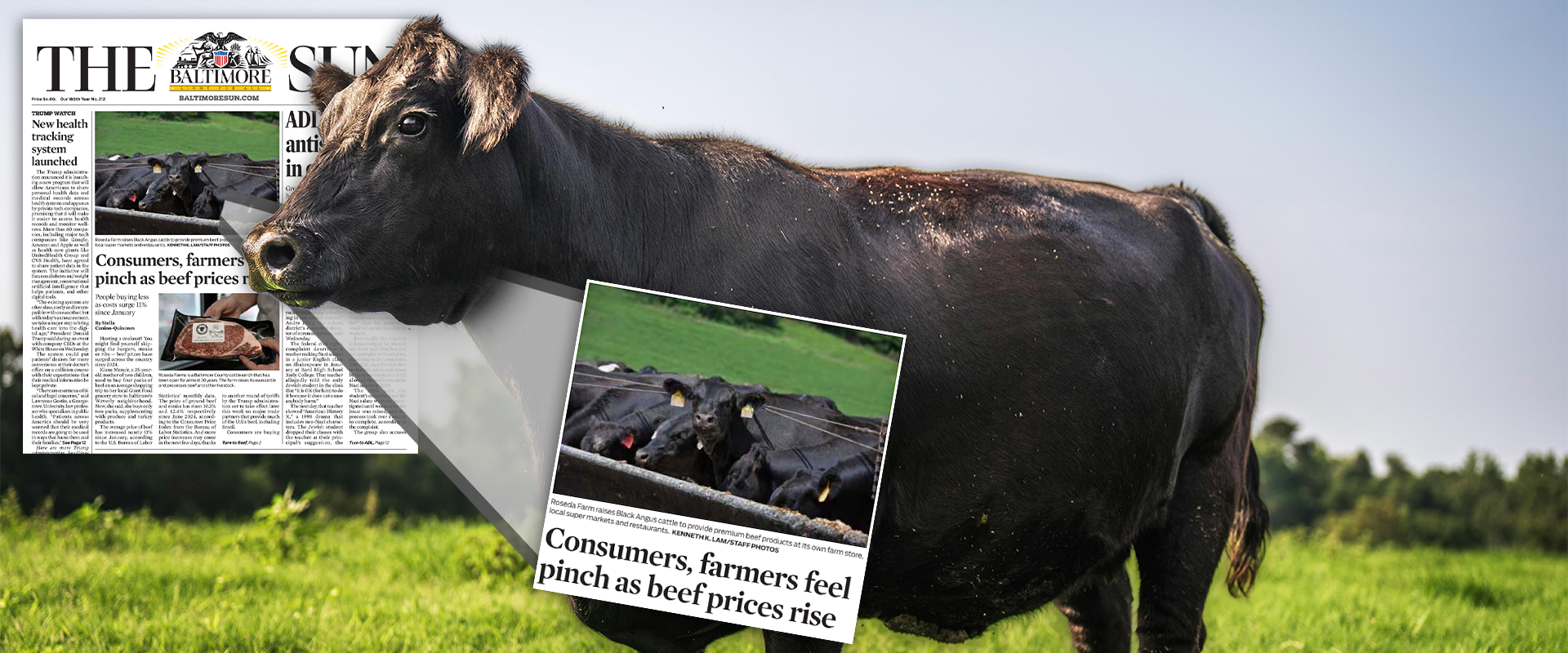
ICYMI: The Baltimore Sun: “Beef prices up 11% since January; Maryland consumers, cattle farmers feeling the pinch”

In Case You Missed It: Maryland Farm Bureau was featured as part of the cover story of the July 31st, 2025 edition of The Baltimore Sun, reiterating how cattle farmers are feeling pinched from high-input costs:

Beef prices up 11% since January; Maryland consumers, cattle farmers feeling the pinch
By Stella Canino-Quinones
PUBLISHED: July 31, 2025 at 5:00 AM EDT

Hosting a cookout? You might find yourself skipping the burgers, steaks or ribs — beef prices have surged across the country since 2024.

Kiana Mcnair, a 25-year-old mother of two children, used to buy four packs of beef on an average shopping trip to her local Giant Food grocery store in Baltimore’s Waverly neighborhood. Now, she said, she buys only two packs, supplementing with produce and turkey products.

The average price of beef has increased nearly 11% since January, according to the U.S. Bureau of Labor Statistics’ monthly data. The price of ground beef and steaks has risen 10.3% and 12.4% respectively since June 2024, according to the Consumer Price Index from the Bureau of Labor Statistics. And more price increases may come in the next few days, thanks to another round of tariffs by the Trump administration set to take effect later this week on major trade partners that provide much of the U.S.’s beef, including Brazil.

Consumers are buying less beef — or none at all — as prices go up. At the same time, local farmers say they are struggling, too; when asked about price increases, they cite years of drought, increasing production costs and fewer heads of cattle raised in the U.S.

“Our farmers are price takers, not price makers,” said Jeb Burchick, Maryland Farm Bureau director of communications. “All of those high input costs go to the final product, and it’s not like these farmers are taking home more profit.”

Roseda Farms is a Baltimore County cattle ranch that sells its black Angus beef to local restaurants and grocery stores. It has been open for almost 30 years. The farm raises its own cattle and processes beef and other livestock for itself and other farmers.

This year, the farm had to increase product prices because there simply wasn’t enough cattle, said Dean Bryant, cattle manager for Roseda Farms.

“It’s a supply and demand issue,” said Bryant. “There’s nothing artificial: no tariffs, not increased cost of other stuff.”

Tariffs on beef importers result in higher costs
The United States imported a total of 4.6 billion pounds of beef and veal from other countries in 2024, according to annual U.S. Department of Agriculture data. The weight is a conversion of the entire weight of the carcass, which includes bones, trimmings, tendons, etc.

Australia, Canada, New Zealand, Mexico and Brazil are the top beef importers and these countries face tariffs ranging from 10% to 50%.

Brazil, the world’s leading beef exporter, now faces a 50% tariff rate on products exported to the U.S. after tensions rose between the two presidents.

If the tariffs go into effect on Friday, meat processors and other wholesalers will have to pass the prices down to the consumer. One lawmaker called on the White House to rethink its tariff strategy before it harmed consumers and cattle farmers.

“There are no winners from Trump’s across-the-board tariffs,” said Maryland Sen. Chris Van Hollen, a Democrat, in a statement to The Baltimore Sun. “They will cause prices to rise for consumers, and for the inputs used by farmers and beef producers alike. We need a targeted approach that avoids increasing costs and instead focuses on strengthening food safety and promoting fair competition.”

Maryland Deputy Secretary of Agriculture Steve Connelly agreed that tariffs will increase prices for meat processors that import from other countries. But, he said, U.S. cattle farmers would benefit since they sell their products at a higher price — and increased prices on imported cuts of beef will help level the playing field.

At the same time, the recent trade agreements with Australia, Japan and the European Union would allow more producers and processors to enter those markets, he said.

Droughts and low headcount
In Maryland, the majority of beef products on grocery-store shelves and in restaurants come from other states, Connelly said. The state is home to about 50,000 beef cows and 35,000 dairy cows. Some, when they reach the end of their life, are processed into beef, as well.

About 2,300 beef farm operations are held within Maryland’s borders, with some farms ranging from one cow to 2,000, said Maryland Farm Bureau Director of Government Relations Tyler Hough. The majority are family-owned, and most, he said, aren’t making a big profit.

“I want to emphasize how tight the margins are for profit, not only in the cattle industry, but across all industries,” Hough said. Maryland farmers have to increase their prices to cover the operational costs, but it doesn’t necessarily mean higher profits, he said.

Drought is also playing a big factor, Hough said.

Across the U.S., drought is burning off grass, leaving less grass for cattle to eat, Hough. The nation has hit a record-low level of cattle, the lowest in 74 years, he said, and, last year, Maryland saw the same drought in certain areas.

10.2 million beef cattle in the United States are experiencing moderate to severe droughts, with 324 counties declared with droughts, according to NOAA and USDA drought data.

In Allegany County, last year’s drought burned off pastures, leaving cattle without food. As a result, Hough said, farmers, who typically feed cattle hay in fall and winter, had to buy hay earlier to feed their livestock. That, he said, was a hit to their bottom line.

Beef processors cutting into profits
Cattle farmers aren’t the only ones affected by the increase in beef prices: Local cattle processors, or businesses that turn cattle into meat products for sale, are being “hammered” right now, Connelly said.

A year ago, Roseda Farms could buy “fat cattle,” or cattle that had reached an appropriate weight for harvest, for $2.04 per pound, Bryant said. Last week, though, it cost them $2.40 a pound.

Because fewer cattle are available for slaughter, meat packers have to bid higher on the cattle that farmers raise. Over the last year, prices have increased by 25% for all cuts of beef as well as live cattle, he said.

The result? They can’t afford to slaughter and butcher the same number of cattle this year.

Although some customers have accepted the price increase, sales are down among wholesale customers, like restaurants and grocery stores, he said. Those have switched to cheaper suppliers.

Although their meat processing plant could kill a total of 85 heads of cattle a week, this year, they’re slaughtering half that, Bryant said.

Link to original article.

Maryland Farm Bureau Welcomes Over 400 New Members in Fiscal Year 2025

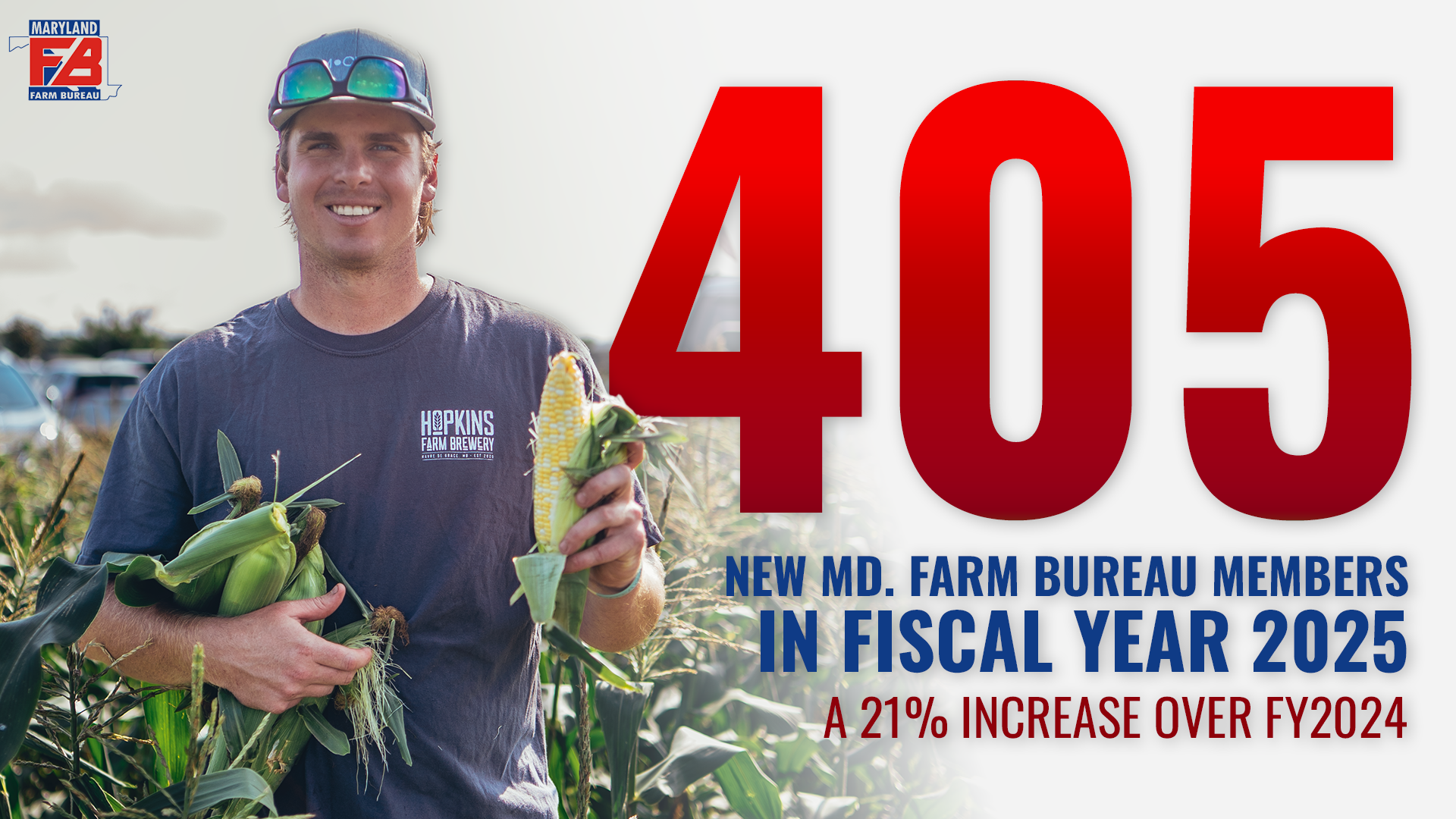
DAVIDSONVILLE, MD — Maryland Farm Bureau added 405 new members during the 2025 fiscal year, marking a 21% increase from the previous fiscal year, signaling continued grassroots momentum across the state. Total membership now stands at 7,057, reflecting a strong core group of Marylanders committed to supporting local agriculture.

“Every new member represents another voice standing up for Maryland agriculture,” said Parker Welch, Executive Director of Maryland Farm Bureau. “We’re incredibly thankful for the support of our more than 7,000 members who help deliver wins for Maryland farmers.”

Join the Movement
Whether you’re a farmer, hobbyist, or someone who just cares about where your food comes from, there’s a place for you at Maryland Farm Bureau.

Members receive exclusive benefits, access to programs and events, and the opportunity to make their voices heard on key legislative issues. Most importantly, they become part of a statewide network working to strengthen and grow Maryland agriculture.

To become a member or renew your membership, visit members.mdfarmbureau.com.

Translate »